Are dental veneers right for me and how long do they last?
Dental veneers can improve the look of front teeth. They suit people with discoloration, chips, or gaps and usually last many years with good care. Learn who can get them and how long they last.
Dental veneers are thin shells that cover the front of a tooth to improve its colour, shape, or size. They work well for people who want a fast smile improvement and can last many years with proper care.
Table of contents
What are dental veneers?
Dental veneers are custom‑made, tooth‑colored covers that are bonded to the front surface of a tooth. They are made from a strong ceramic or resin material. The veneer hides stains, chips, gaps, or uneven shapes, giving a natural‑looking smile.
Who is a good candidate for veneers?
Not everyone needs or can have veneers. The best candidates usually have:
- Teeth that are healthy and have enough enamel left.
- Minor discoloration that does not respond to whitening.
- Small chips or cracks in the front teeth.
- Gaps or uneven lengths that are not too large.
- A desire for a quick, cosmetic improvement.
People with severe tooth decay, large cavities, or gum disease should have those problems treated first. Children and teenagers whose teeth are still growing are generally not advised to get veneers.
How are veneers made and placed?
The process involves a few careful steps. Most of the work is done in the clinic and can be finished in one or two visits.
Preparing the tooth
A thin layer of enamel is removed from the front of the tooth. This creates space for the veneer so the bite feels natural. An impression of the prepared tooth is taken and sent to a lab where the veneer is crafted.
Bonding the veneer
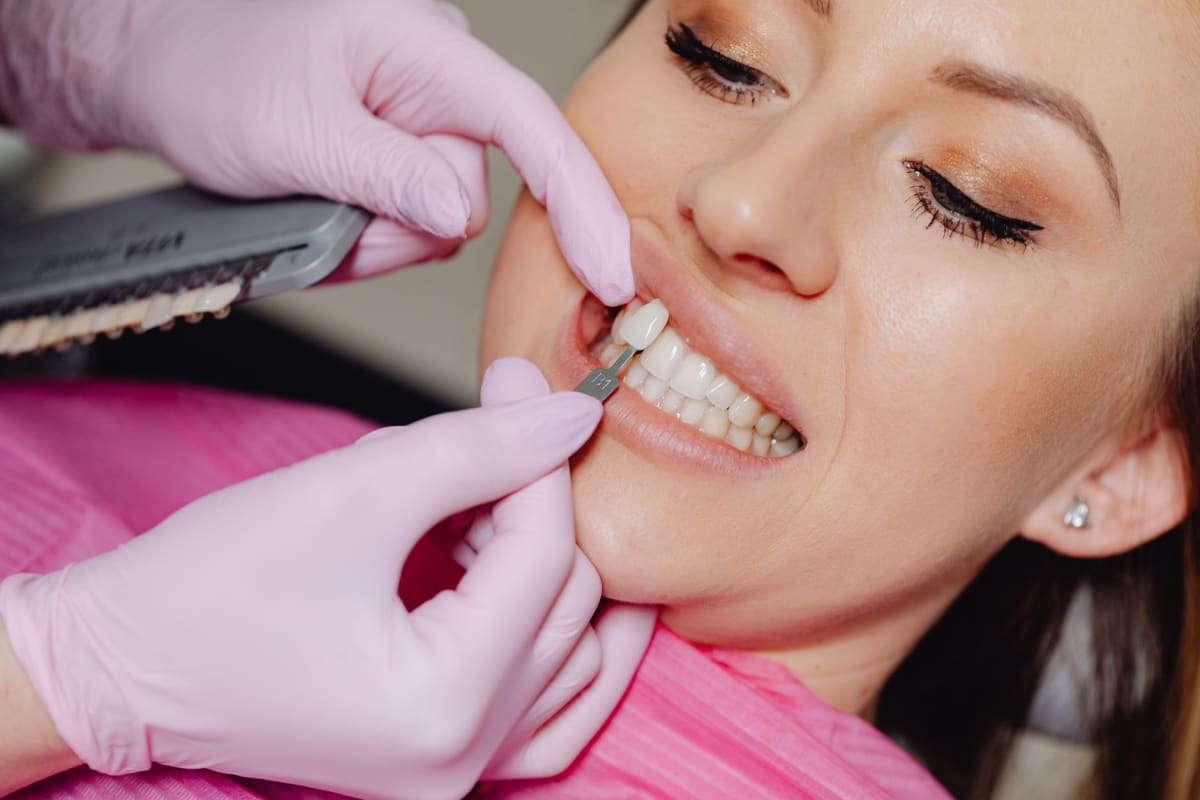
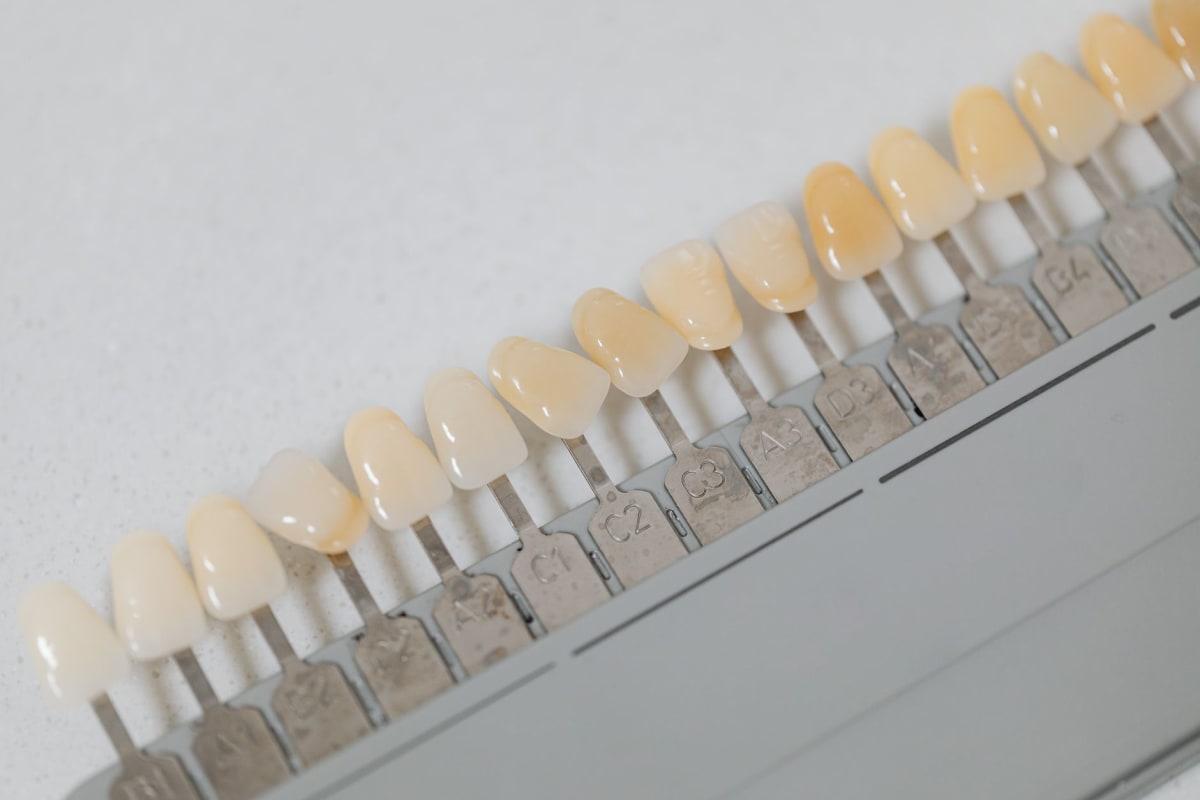
When the custom veneer arrives, the dentist checks its fit and colour. The tooth surface is cleaned and a special bonding gel is applied. The veneer is then placed and a light is used to harden the gel, securing the veneer in place. A rubber dam may be used to keep the area dry and clean.
How long do veneers last?
Veneers are designed to be long‑term, but they are not permanent. Their lifespan depends on:
- How well you care for them (brushing, flossing, regular check‑ups).
- Your bite and habits (avoiding biting hard objects, not using teeth as tools).
- The material used (ceramic tends to last longer than resin).
If a veneer chips or comes loose, it can be repaired or replaced by a dentist.
What are the benefits and limitations?
Benefits
- Quick improvement in colour and shape.
- Stain‑resistant material keeps teeth looking bright.
- Can close small gaps without orthodontics.
Limitations
- Requires removal of a small amount of natural enamel.
- Not suitable for severely decayed or broken teeth.
- May need replacement after many years.
- Can feel slightly different than natural tooth surface at first.
What care do veneers need?
Caring for veneers is similar to caring for natural teeth. Follow these simple steps:
- Brush twice a day for two minutes with fluoride toothpaste and a soft brush. Spit out the toothpaste; do not rinse aggressively.
- Floss daily to keep the space between teeth clean.
- Avoid chewing on ice, hard candy, or using teeth to open packages.
- Visit the dentist for a professional cleaning and a check‑up at least every six months.
- If you notice a chip, loose edge, or persistent sensitivity, call the clinic promptly.
When should you see a dentist?
If a veneer feels loose, chips, or causes pain, schedule a visit quickly. Also see a dentist if you develop swelling that spreads to the eye or neck, or if you have difficulty breathing or swallowing – these are signs of an emergency that need a hospital department.
For a personal assessment, you can book an appointment at Balaji Dental Clinic, Solapur, Vijapur Road, Kuber Chambers (below IDBI Bank). Call or WhatsApp to set a convenient time. Our team will review your smile goals, check your oral health, and discuss the best options for you. Learn more about smile makeovers on our Smile Makeover page or explore other dental treatments.
Next steps
If you are thinking about veneers, have questions about suitability, or notice any problem with an existing veneer, contact the clinic today. A short consultation can help you decide the right path for a brighter, confident smile.
Frequently asked questions
Can dental veneers fix yellow teeth?
Yes, veneers can cover teeth that are discoloured and do not respond to whitening. The veneer’s colour is chosen to match surrounding teeth for a natural look.
Do veneers require special cleaning?
No special tools are needed. Brush twice daily, floss daily, and keep regular dental appointments just like with natural teeth.
What happens if a veneer cracks?
A cracked veneer should be examined by a dentist promptly. It can often be repaired, but sometimes a new veneer is needed.
Are veneers safe for people with sensitive teeth?
Veneers are placed on healthy teeth. If sensitivity exists, the dentist will treat the underlying cause before applying a veneer.
How much tooth structure is removed for a veneer?
Only a thin layer, about one millimetre, is trimmed from the front surface to allow the veneer to sit comfortably.
Book an appointment
Need advice about your own teeth? Send us a WhatsApp message or call the clinic.
Written by
Balaji Dental Clinic
Clinic team, Balaji Dental Clinic, Solapur
This article is general information, not a diagnosis. For advice about your own teeth, please book a visit.