How can I close a gap between my front teeth?
A gap between front teeth can be closed with several safe options like braces, clear aligners, veneers or bonding. Learn how each works, recovery time and when to seek care.

A gap between the front teeth can be closed with several cosmetic options. Most treatments are gentle, focus on comfort, and are chosen based on the size of the gap and personal preferences. Below are the common ways to close a front‑tooth gap and what to expect.
Table of contents
What causes a gap between front teeth?
A gap, also called a diastema, can appear for many reasons:
- Natural spacing when the jaw is larger than the teeth.
- Missing or smaller teeth that leave extra room.
- Thumb‑sucking or prolonged pacifier use in childhood.
- Gum disease that causes the tissue to recede.
- Certain habits such as tongue thrusting.
Understanding the cause helps the dentist suggest the best correction method.
How is the size of a gap measured?
During a check‑up the dentist will:
- Measure the space with a ruler or a digital scan.
- Take photos to show the gap in relation to other teeth.
- Discuss how the size may affect the choice of treatment.
A clear picture of the gap helps plan the most effective approach.
What treatment options are available to close a gap?
There are several safe, widely used methods. The right one depends on the gap size, age, and personal preferences.
Orthodontic options – braces or clear aligners
- Braces use brackets and wires to move teeth gradually.
- Clear aligners are removable trays that shift teeth a little each week.
Both methods apply gentle pressure to close the space over time.
Veneers and crowns
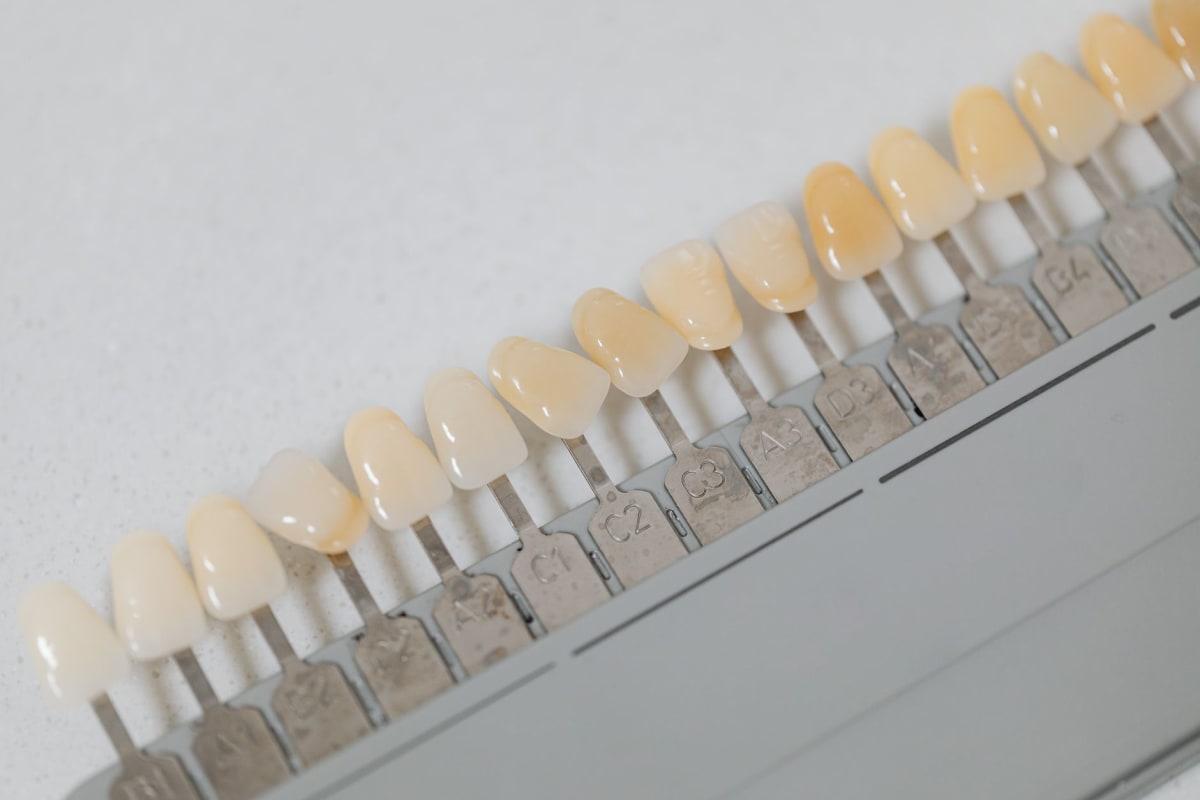
- Veneers are thin porcelain shells placed on the front of the teeth to change shape and close the gap.
- Crowns cover the whole tooth and can be shaped to remove a small space.
These are cosmetic restorations that give an immediate change once the procedure is finished.
Dental bonding
A tooth‑colored resin is painted onto the teeth and hardened with a light. The material can be shaped to fill the gap. Bonding can often be completed in a brief appointment, is less expensive than some other options, and may need touch‑ups over time.
Removable appliances
A small acrylic or wire appliance can be fitted to gently push the teeth together. This is often used for children or mild gaps.
For a full overview of how crooked and gapped teeth are corrected, see the page on crooked and gapped teeth correction in Solapur.
How does each treatment work step by step?
Braces or clear aligners
- Consultation – The dentist takes records and decides the best appliance.
- Placement – Brackets are bonded to each tooth or the first set of aligners is fitted.
- Adjustment – Regular visits are scheduled to adjust braces, and new aligner trays are provided as needed.
- Removal – After the gap is closed, the appliance is taken off and a retainer is given to keep the teeth stable.
Veneers or crowns
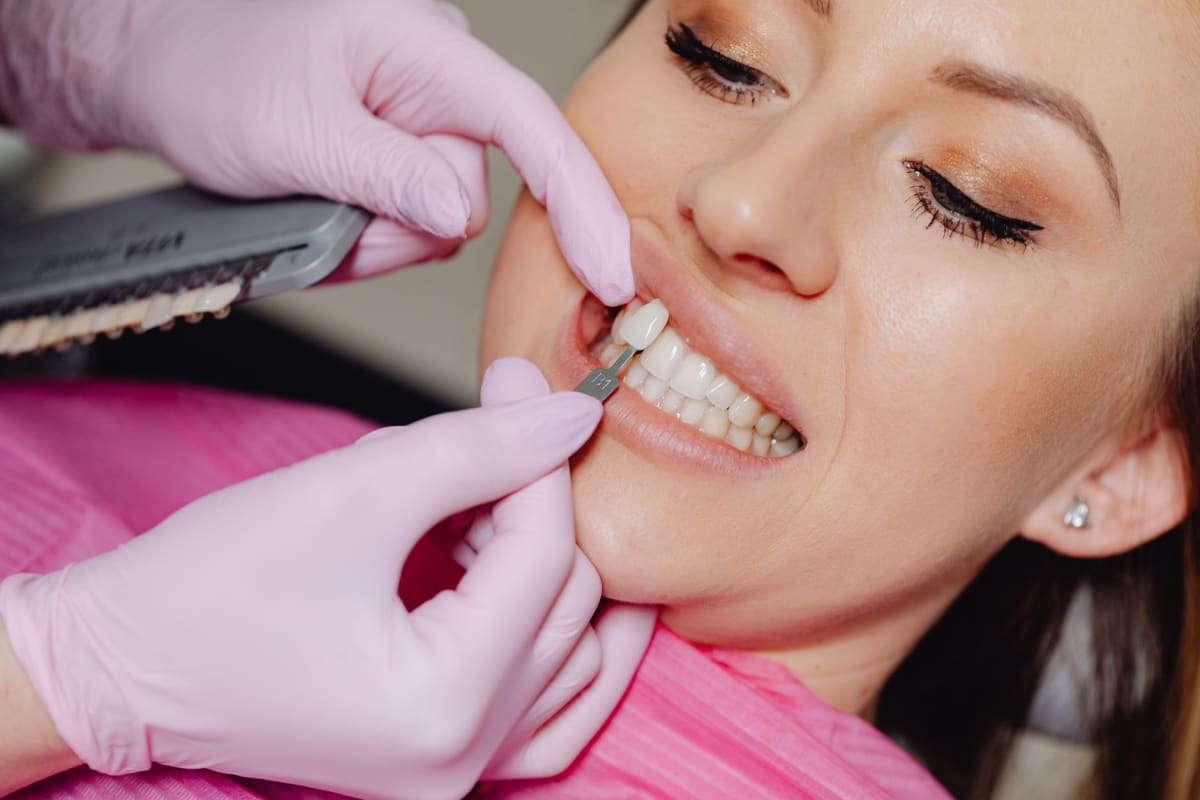
- Preparation – A tiny amount of tooth enamel is trimmed.
- Impression – A mold is taken and sent to a lab.
- Placement – The custom veneer or crown is bonded to the tooth.
Dental bonding
- Cleaning – The tooth surface is polished.
- Application – The resin is applied, shaped, and hardened with a light.
- Finishing – The material is polished to match the surrounding teeth.
How long does treatment take and what is the recovery like?
The time needed varies with the chosen method and individual factors. Recovery is generally mild.
- Braces – Treatment duration depends on the gap size and how the teeth respond.
- Clear aligners – Treatment time varies with the size of the gap and patient compliance.
- Veneers or crowns – Requires a few appointments over a short period.
- Bonding – Can be completed in a brief appointment, with minimal discomfort.
After any procedure you may feel mild soreness for a few days. Soft foods and gentle brushing are recommended. Follow the dentist’s care instructions for the best result.
What are the costs and factors that affect them?
The price varies by:
- Size of the gap and number of teeth involved.
- Type of material (porcelain veneers are generally pricier than bonding resin).
- Length of treatment (longer orthodontic plans tend to cost more).
- Whether a retainer or additional follow‑up visits are needed.
For a detailed look at treatment cost factors, you can read the dental treatment cost guide for Solapur families.
What are the risks and red‑flag signs?
All dental work carries some risk. Common concerns include:
- Temporary tooth sensitivity after veneers, crowns, or bonding.
- Minor gum irritation from braces or aligners.
- Rare allergic reaction to bonding material.
If you notice any of the following, seek urgent care:
- Sudden, severe pain that does not improve with a normal pain reliever.
- Swelling that spreads to the eye, cheek, or neck.
- Difficulty breathing or swallowing.
These symptoms need a hospital emergency department right away.
How can I keep my smile looking its best after closing a gap?
- Brush twice a day for two minutes with a fluoride toothpaste and a soft brush.
- Floss or use an interdental brush once a day.
- Replace your toothbrush every three months.
- Visit the dentist for a check‑up and professional cleaning at least every six months.
- Avoid sugary drinks and snacks between meals.
Good daily care helps maintain the result and prevents new gaps from forming.
When should you see a dentist?
If you are thinking about closing a gap between your front teeth, schedule a visit at Balaji Dental Clinic, Vijapur Road, Solapur (below IDBI Bank, Kuber Chambers). The team will assess your needs, discuss the options, and create a plan that fits your lifestyle. You can book an appointment by WhatsApp or phone, and the reception desk will confirm a convenient time. Taking the first step now can give you a confident, harmonious smile.
Explore more smile makeover options Learn about other dental problems we treat
Frequently asked questions
Can a small front‑tooth gap be closed without braces?
Yes, small gaps can be closed with dental bonding, veneers, or clear aligner trays. These options are quicker and often completed in a few visits.
Is dental bonding permanent?
Bonding is durable but may need touch‑ups after several years because the resin can stain or chip over time.
How often do I need to see the dentist after a gap‑closing treatment?
Regular check‑ups every six months are recommended to monitor the result and keep the surrounding teeth healthy.
Are there any age limits for closing a gap?
Most treatments can be done once most permanent teeth have erupted, usually after age 12. Younger children may use removable appliances.
What should I do if my gums start bleeding after getting a veneer?
Brush gently and continue your normal oral care. If bleeding persists, schedule a visit with the dentist to check for irritation or plaque buildup.
Book an appointment
Need advice about your own teeth? Send us a WhatsApp message or call the clinic.
Written by
Balaji Dental Clinic
Clinic team, Balaji Dental Clinic, Solapur
This article is general information, not a diagnosis. For advice about your own teeth, please book a visit.