Do I need a crown after a root canal?
A crown is often recommended after a root canal to protect the tooth, but it isn’t always required. Learn when it’s needed, alternatives, and how to care for your tooth.

A crown is often recommended after a root canal to protect the tooth, but it isn’t always required. The decision depends on the tooth’s location, the amount of healthy structure left, and the forces it faces while chewing. Below we explain the reasons, alternatives, and what to expect.
Table of contents
What is a root canal?
A root canal removes infected nerve tissue from inside a tooth and fills the space to stop infection. It saves a tooth that would otherwise need to be pulled.
Why is a root canal needed?
- To relieve pain caused by infection.
- To prevent the spread of bacteria to other teeth.
- To keep the natural tooth in the mouth.
What is a dental crown?
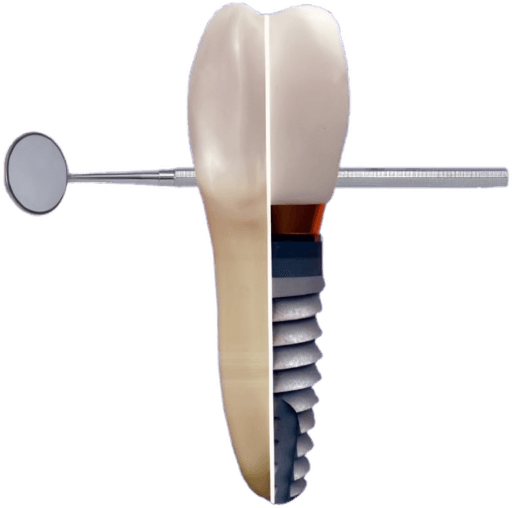
A dental crown is a custom‑made cap that fits over a tooth like a hat. It restores shape, strength, and appearance after the tooth has been treated or weakened.
Why might a crown be recommended after a root canal?
Tooth strength
Root canal treatment removes the inner pulp, leaving the tooth more brittle. A crown adds strength and helps the tooth resist breaking.
Bite forces
Back teeth (molars and premolars) endure heavy chewing forces. A crown distributes those forces evenly and protects the treated tooth.
Appearance
A crown can match the colour of surrounding teeth, improving the smile, especially for front teeth that are visible when you talk or smile.
When might a crown not be necessary?
- Small front teeth – If only a small amount of tooth structure is lost, a strong filling may be enough.
- Young patients – In some cases, a temporary restoration is used until the tooth fully matures.
- Low‑stress areas – Teeth that do not take heavy chewing loads may be monitored with regular check‑ups.
What are the options if a crown is not placed?
- Composite filling – A durable tooth‑coloured material can restore shape and function.
- In‑lay or on‑lay – Indirect restorations that fit inside or on the surface of the tooth, offering more strength than a simple filling.
- Monitoring – The dentist may choose to watch the tooth and intervene only if signs of fracture appear.
How is the decision made?
- Clinical examination – The dentist looks at the amount of healthy tooth left.
- X‑rays – Imaging shows the root structure and any remaining decay.
- Bite analysis – Understanding how you chew helps decide if a crown is needed.
- Patient preferences – Cost, appearance, and future plans are discussed.
What is the typical process for getting a crown after a root canal?
- Preparation – The tooth is shaped to fit the crown.
- Impression – An impression is taken to capture the exact shape of the tooth.
- Temporary crown – A placeholder is placed to protect the tooth while the permanent one is made.
- Placement – The permanent crown is cemented onto the prepared tooth.
Balaji Dental Clinic can guide you through each step, and you can read more about the procedure in our root canal treatment page.
How to care for a tooth after a root canal and crown
- Brush twice daily with a soft brush and fluoride toothpaste. Spit out the toothpaste; do not rinse.
- Floss once a day to keep the area between teeth clean.
- Avoid hard foods like ice or hard candy for a short period after the procedure.
- Visit the dentist regularly, as recommended, for a check‑up and professional cleaning.
When should you see a dentist?
If you notice persistent pain, a loose crown, swelling that spreads to the eye or neck, or difficulty breathing or swallowing, seek emergency care right away. For all other questions about crowns after a root canal, book an appointment at Balaji Dental Clinic, Vijapur Road, Solapur (below IDBI Bank, Kuber Chambers). Call or WhatsApp the clinic to schedule a convenient time.
Frequently Asked Questions
Can a tooth survive without a crown after a root canal?
Yes, a tooth can remain functional with a strong filling if it has enough healthy structure and is not subjected to heavy chewing forces. Regular monitoring is essential.
How long does a crown last after a root canal?
The lifespan of a crown varies and depends on oral hygiene, bite forces, and regular dental visits.
Is the crown placed in the same visit as the root canal?
Usually the crown is placed in a separate visit after the tooth has healed and a temporary restoration has protected it. The exact timing is decided by the dentist.
What are the signs that a crown is failing?
- Loose or wobbly crown
- New sensitivity to hot or cold
- Pain when biting
- Visible cracks or gaps
If any of these occur, contact the clinic promptly.
Do I need a special diet after getting a crown?
Stick to soft foods for the first couple of days and avoid chewing directly on the treated tooth until the permanent crown is placed.
For more information, explore our dental treatments page or contact us through the online dental consultation link.
Frequently asked questions
Can a tooth survive without a crown after a root canal?
Yes, a tooth can remain functional with a strong filling if it has enough healthy structure and is not subjected to heavy chewing forces. Regular monitoring is essential.
How long does a crown last after a root canal?
A well‑maintained crown can last many years, often ten or more, but its lifespan depends on oral hygiene, bite forces, and regular dental visits.
Is the crown placed in the same visit as the root canal?
Usually the crown is placed in a separate visit after the tooth has healed and a temporary restoration has protected it. The exact timing is decided by the dentist.
What are the signs that a crown is failing?
Loose or wobbly crown, new sensitivity to hot or cold, pain when biting, or visible cracks are warning signs. Contact the clinic promptly if you notice any of these.
Do I need a special diet after getting a crown?
Stick to soft foods for the first 24‑48 hours and avoid chewing directly on the treated tooth until the permanent crown is placed.
Book an appointment
Need advice about your own teeth? Send us a WhatsApp message or call the clinic.
Written by
Balaji Dental Clinic
Clinic team, Balaji Dental Clinic, Solapur
This article is general information, not a diagnosis. For advice about your own teeth, please book a visit.


