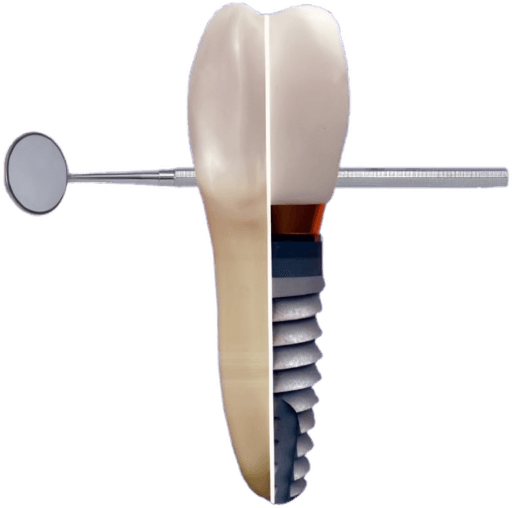
How to care for a new dental implant: first weeks and long‑term tips?
A dental implant needs gentle care in the first weeks and steady habits for life. Follow these simple steps to protect your new tooth and keep it healthy for years.

A dental implant is a long‑term tooth replacement, but it still needs special care after surgery and throughout its life. The first few weeks focus on protecting the healing site, while long‑term habits keep the implant strong.
Table of contents
How long does it take for a dental implant to heal?
Most people notice that the soft tissue around the implant settles within a couple of weeks, and the bone continues to integrate over several months. The dentist will confirm when the implant is stable enough for normal chewing.
What are the first‑week aftercare steps for a new implant?
Cleaning the surgical area
- Rinse gently with warm salt‑water after meals.
- Use a soft, damp cloth or a very soft toothbrush to clean the outer gum, avoiding the surgical site.
- Do not brush directly over the stitches or the top of the implant for the first one to two days.
Managing pain and swelling
- Apply a cold pack on the cheek for short intervals during the first day.
- Take a pain reliever you normally use safely, such as ibuprofen or paracetamol, if needed.
- Keep your head elevated while sleeping to reduce swelling.
Diet for the first few days
- Stick to soft foods like yoghurt, soup, oatmeal, scrambled eggs, and mashed potatoes.
- Avoid hot, spicy, crunchy, or chewy foods that could disturb the clot.
- Drink fluids away from a straw; suction can pull the clot away.
Which foods should I avoid or choose in the early healing period?
- Avoid hard nuts, popcorn, raw vegetables, and tough meats for a couple of weeks.
- Limit very hot or very cold foods if they cause discomfort.
- Choose nutrient‑rich foods that support healing, such as protein‑rich eggs, soft‑cooked lentils, and calcium‑rich dairy.
How do I keep my implant clean during the first weeks?
- Brush your other teeth twice a day with a soft‑bristled brush and fluoride toothpaste. Spit out the toothpaste; do not rinse aggressively.
- Use interdental brushes or floss under the guidance of your dentist once the incision has closed, typically after about a week.
- Continue the daily salt‑water rinse for the first couple of weeks.
When can I resume normal brushing and flossing?
- Most patients can return to regular brushing after about a week when the gums have closed.
- Flossing can start gently after the dentist checks that the site is stable, usually after about two weeks.
- Always be gentle; a light motion is enough to remove plaque without pulling at the healing tissue.
What long‑term care keeps an implant healthy for years?
Regular dental visits
- Schedule regular check‑ups as advised, often about twice a year. The dentist will clean around the implant and check bone health.
- Professional cleaning removes tartar that a toothbrush cannot reach and helps prevent gum disease.
Daily oral‑hygiene habits
- Brush twice a day with fluoride toothpaste.
- Replace your toothbrush regularly, for example every few months.
- Use floss or interdental brushes daily to clean between the implant crown and adjacent teeth.
- If you have braces or other appliances, ask the dentist how to clean around them.
Lifestyle tips
- Quit smoking; tobacco reduces blood flow and can delay bone integration.
- Limit sugary drinks and snacks to mealtimes; constant sugar feeds plaque.
- Stay hydrated; water helps wash away food particles.
What are the red‑flags that need urgent care?
- Severe, throbbing pain that does not improve with a normal pain reliever.
- Increasing swelling that spreads to the eye, cheek, or neck.
- Bleeding that does not stop after gentle pressure.
- Fever or feeling generally unwell.
- Loose implant or a feeling that the crown is shifting.
If any of these appear, see a dentist immediately. If swelling spreads to the eye or neck, or you have trouble breathing or swallowing, go to a hospital emergency department.
When should you see a dentist?
Good aftercare starts with professional guidance. Book a follow‑up at Balaji Dental Clinic, Solapur, Vijapur Road, Kuber Chambers (below IDBI Bank) to ensure your implant is healing properly. You can call or WhatsApp the clinic to set a convenient time. Regular visits keep your new tooth looking and feeling great.
---
Frequently asked questions
Can I brush my teeth right after implant surgery?
You can brush the surrounding teeth gently, but avoid the surgical site for the first 24‑48 hours. After about a week, brush the area lightly with a soft brush.
How long should I wait before eating solid foods?
Soft foods are safest for the first 7‑10 days. Gradually re‑introduce firmer foods after the dentist confirms the implant is stable.
Is flossing safe around a new implant?
Flossing can begin once the gums have closed, usually after 2 weeks. Use a gentle motion and ask the dentist for the best technique.
What should I do if the implant area becomes painful after a few days?
Rinse with warm salt‑water and take a pain reliever you normally use safely. If pain worsens or is accompanied by swelling, contact the clinic right away.
Do implants need special cleaning products?
Standard fluoride toothpaste and a soft brush are sufficient. The key is to be gentle, replace the brush regularly, and keep up with professional cleanings.
Book an appointment
Need advice about your own teeth? Send us a WhatsApp message or call the clinic.
Written by
Balaji Dental Clinic
Clinic team, Balaji Dental Clinic, Solapur
This article is general information, not a diagnosis. For advice about your own teeth, please book a visit.


