How often should you see a dentist for a check‑up?
Visit a dentist at least twice a year. A six‑month check‑up helps keep teeth healthy and catches problems early.
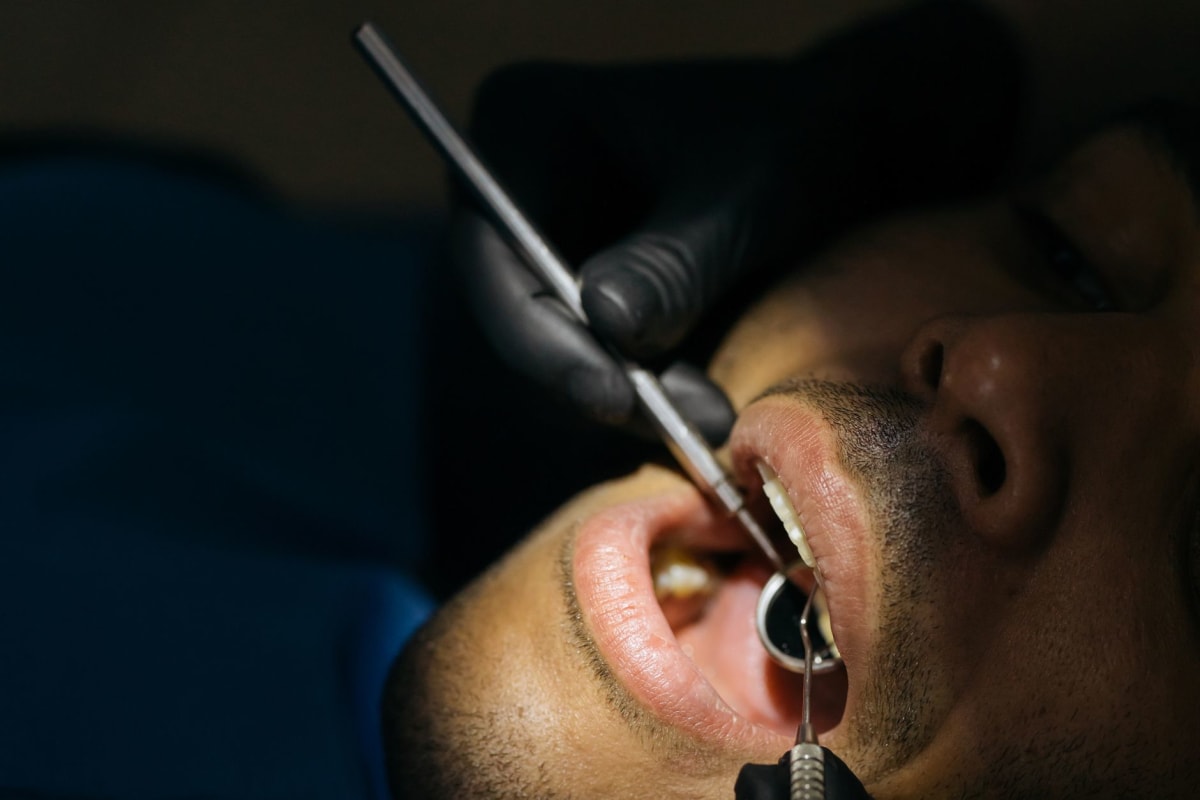
You should see a dentist for a regular check‑up at least twice a year. Most people find that an appointment every six months keeps teeth healthy and catches problems early. Regular visits also give you a chance to ask questions and learn how to care for your mouth.
Table of contents
How often should you see a dentist for a check‑up?
- Adults: The common recommendation is every 6 months. This timing matches the natural cycle of plaque build‑up and allows the dentist to monitor any changes.
- People with specific needs: If you have a history of gum disease, frequent cavities, wear braces, or have a dental implant, the dentist may suggest visits every 3‑4 months.
- Good oral hygiene: If you brush twice daily, floss daily, and have no current problems, a six‑month schedule is usually enough.
Sticking to a schedule helps keep treatment simple and less invasive.
Why are regular dental check‑ups important?
Prevent disease
During a check‑up the dentist looks for early signs of cavities, gum inflammation, or even oral cancer. Finding these issues early often means the treatment can be less extensive.
Catch problems early
A tiny cavity that is spotted early can be filled in one short visit. If the same spot is missed, it can grow deeper and may need a larger filling, a crown, or a root canal.
Build a relationship
Seeing the same dental team regularly lets them learn how your mouth works. They can give personalized advice that fits your lifestyle in Solapur.
What are the signs that you need a dental visit sooner?
- Pain: A persistent toothache, especially when it wakes you at night, should be checked.
- Bleeding gums: If gums bleed even when you brush gently, it may be early gum disease.
- Loose teeth: Any movement of a tooth, adult or baby, needs evaluation.
- Swelling: Facial swelling that spreads to the eye, cheek, or neck, or causes difficulty breathing or swallowing, is an emergency. Go to the nearest hospital department right away.
- Changes in bite or feeling: If chewing feels different or you notice a crack, call the clinic.
Prompt care can stop a small issue from becoming a big one.
How often do children need dental check‑ups?
- First visit: Begin around the first birthday, or within six months after the first tooth erupts. This early visit lets the dentist teach proper brushing and spot any early decay.
- Routine visits: After the first exam, schedule a check‑up every six months. The dentist will check how the teeth are growing and give fluoride treatments if needed.
- High‑risk kids: Children who sip sugary drinks, have a family history of cavities, or have special health needs may need visits every three to four months.
For a step‑by‑step guide for Solapur families, read our first dental visit guide.
What happens during a routine dental check‑up?
Exam
The dentist inspects each tooth, looks at the gums, and checks the tongue and roof of the mouth. They may feel for any hard spots that could be hidden decay.
Cleaning
A hygienist removes plaque and tartar with gentle instruments, then polishes the teeth to smooth the surface. This makes it harder for bacteria to stick.
X‑rays (if needed)
Small digital images may be taken to see under the surface of the teeth and the supporting bone. X‑rays are only used when the dentist thinks they will help diagnose a problem.
Discussion
The dentist talks about what they saw, gives advice on brushing, flossing, and diet, and plans any needed treatment. You can ask about any concern, such as sensitivity or cosmetic options.
What can you do at home between visits?
- Brush correctly: Use a soft brush and fluoride toothpaste. Brush for two minutes twice a day. Spit out the toothpaste; do not rinse so the fluoride stays on the teeth.
- Floss daily: Clean between teeth with floss or an interdental brush. This removes plaque where the brush cannot reach.
- Replace your brush: Change your toothbrush every three months or sooner if the bristles are frayed.
- Watch your diet: Keep sweets and sugary drinks to mealtimes. Avoid letting a baby fall asleep with a bottle of milk or juice.
- Stay hydrated: Drinking water helps wash away food particles and neutralize acids.
These habits reinforce the work done by the dental team.
When should you call an emergency dentist?
- Knocked‑out adult tooth: Hold the tooth by the crown (the top part), do not touch the root. Keep it in milk and see a dentist within one hour.
- Severe toothache: If a warm salt‑water rinse and a pain reliever you normally take safely do not help, call for an urgent appointment.
- Infection signs: Swelling that spreads to the eye, cheek, or neck, or any trouble breathing or swallowing, is a medical emergency. Go to the nearest emergency department without delay.
- Broken or lost filling: If a large piece breaks off and you feel pain, get it checked soon to avoid further decay.
Timely care can prevent infection and protect the rest of your mouth.
When should you see a dentist?
Keeping a regular check‑up schedule is the simplest way to protect your smile. If you are in Solapur and want a comfortable, gentle visit, you can book an appointment by WhatsApp or phone. The reception desk at Balaji Dental Clinic, Vijapur Road (below IDBI Bank, Kuber Chambers) will confirm a convenient time. Remember, a six‑month routine, or more frequent visits if you have special needs, helps you avoid larger problems later. Call today and keep your teeth healthy.
Frequently asked questions
How often should adults get a dental cleaning?
Most adults benefit from a professional cleaning every six months. If you have gum disease or a history of cavities, your dentist may suggest more frequent cleanings.
Is it safe to skip a dental visit if I have no pain?
Even without pain, problems like early cavities or gum inflammation can be present. Regular check‑ups catch these issues before they cause symptoms.
When should a child have their first dental appointment?
The first visit is recommended around the first birthday, or within six months after the first tooth appears. Early visits help teach good habits and spot early decay.
What should I expect during my first dental visit?
The dentist will examine your teeth and gums, discuss brushing and diet, possibly take an X‑ray, and may give fluoride treatment. You can ask any questions you have.
What are the warning signs that need urgent dental care?
Severe tooth pain, swelling that spreads to the eye, cheek or neck, bleeding that won't stop, and difficulty breathing or swallowing are red‑flag signs that require immediate attention.
Book an appointment
Need advice about your own teeth? Send us a WhatsApp message or call the clinic.
Written by
Balaji Dental Clinic
Clinic team, Balaji Dental Clinic, Solapur
This article is general information, not a diagnosis. For advice about your own teeth, please book a visit.