How to Choose the Best Toothpaste for Sensitive Teeth?
Choosing the right toothpaste for sensitive teeth is easy when you know what ingredients help and how to use them.
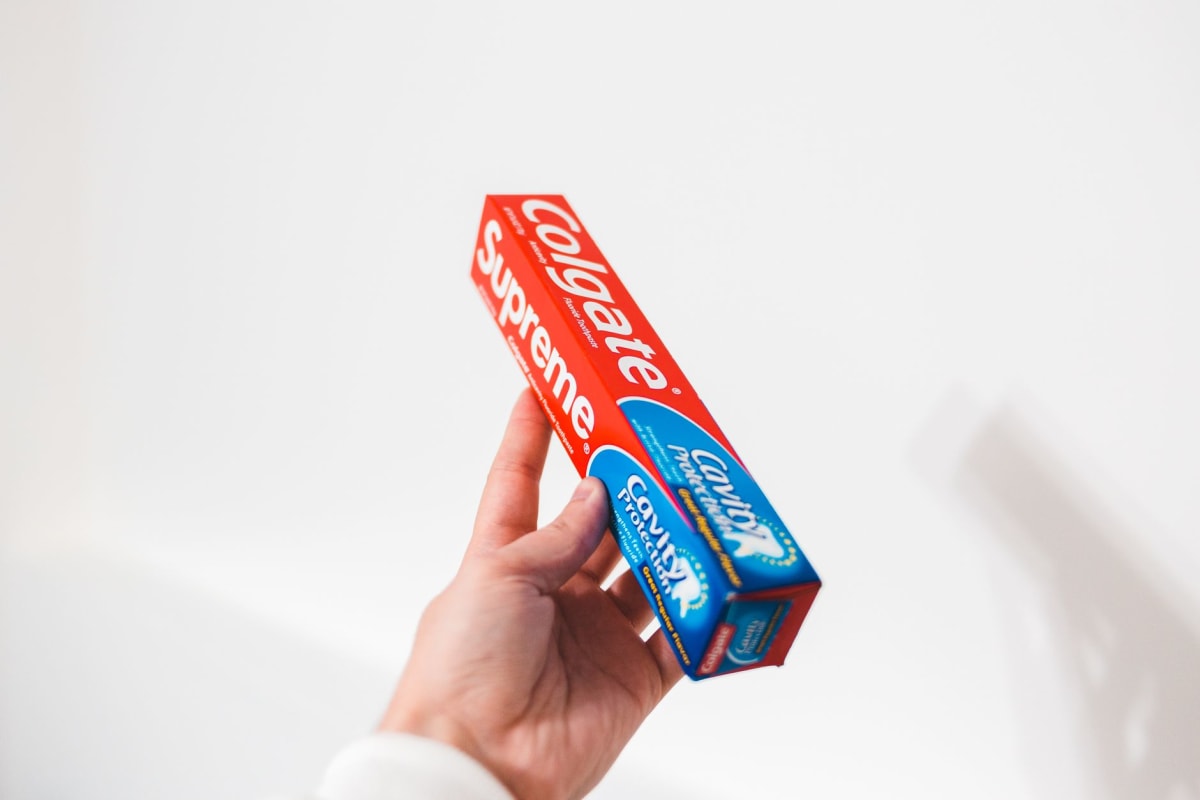
Choosing a toothpaste that eases sensitivity and protects your smile is simple when you focus on the ingredients, your oral habits, and any special needs. Look for a product that contains a desensitizing agent, fluoride, and a gentle flavor.
Table of contents
What is toothpaste and why does it matter?
Toothpaste is a paste or gel that helps clean teeth, remove plaque, and deliver active ingredients to the tooth surface. It works together with brushing to keep enamel strong and gums healthy. Without the right toothpaste, brushing alone may not prevent sensitivity or decay.
How do I know which toothpaste is right for me?
- Identify your main concern: sensitivity, whitening, cavity protection, or gum health.
- Check the label for the specific benefit you need.
- Choose a fluoride toothpaste unless you have a medical reason to avoid it.
- If you have braces, a low‑abrasion formula is safer.
- For children, pick a toothpaste with a milder flavor and a pea‑sized amount after age 3.
What ingredients should I look for in a toothpaste for sensitive teeth?
Common desensitizing agents
- Potassium nitrate – calms the nerves inside the tooth.
- Stannous fluoride – blocks the tiny tubules that lead to the nerve.
- Arginine‑calcium carbonate – helps seal the dentin surface.
Fluoride and why it matters
Fluoride strengthens enamel and reduces the risk of cavities. A fluoride toothpaste works well with a desensitizing agent to protect sensitive teeth while keeping decay at bay.
How can I tell if a toothpaste is effective?
- Notice a reduction in sharp pain when eating hot, cold, or sweet foods with regular use.
- Check for smooth feeling on the teeth after brushing; a rough or gritty feeling can indicate an overly abrasive paste.
- Look for consistent use – benefits appear when you brush twice a day for two minutes.
- If pain continues despite regular use, consider trying another formula or consult a dentist.
Are there special toothpastes for children or other conditions?
- Kids' toothpaste uses a smaller fluoride amount and a milder flavor. Use a rice‑grain‑sized smear for the first tooth and a pea‑sized amount after age 3.
- Pregnant or nursing mothers can use regular fluoride toothpaste unless advised otherwise by a health professional.
- People with gum disease may benefit from a toothpaste that includes anti‑plaque agents or a mild antimicrobial.
What are the red flags that need urgent dental care?
- Sudden, severe tooth pain that does not ease with a warm salt‑water rinse.
- Swelling that spreads from the gum to the cheek, eye, or neck.
- Fever, difficulty swallowing, or trouble breathing.
- Any of these signs require a visit to the nearest hospital emergency department right away.
How do I use toothpaste correctly?
- Brush twice a day for two minutes with a soft brush.
- Spit out the toothpaste after brushing; do not rinse, as this lets fluoride stay on the teeth longer.
- Replace your toothbrush about every three months or sooner if the bristles fray.
- Floss once a day to remove plaque between teeth where the brush cannot reach.
- Schedule a dental check‑up every six months, or as your dentist advises.
When should you see a dentist?
If sensitivity does not improve with regular use, or if you experience any of the red‑flag symptoms listed above, it is time to book an appointment. Balaji Dental Clinic, Vijapur Road, Solapur (below IDBI Bank, Kuber Chambers) offers gentle, comfortable care and can help you choose the right oral‑care routine. You can book a visit by WhatsApp or phone call, and the reception desk will confirm a convenient time.
For more information on managing sensitive teeth, see our page on sensitive teeth treatment in Solapur. Additional oral‑care tips are available in our daily oral‑care guide and our general list of dental problems we treat in Solapur.
Frequently asked questions
Can I use the same toothpaste for my whole family?
A fluoride toothpaste works for most people, but children under three need a very small amount and a milder flavor. For sensitive adults, choose a desensitizing formula, while kids may prefer a gentle, low‑abrasion version.
How often should I change my toothpaste?
Replace your toothpaste every three months, or sooner if the seal is broken or the paste looks dried out. An old tube may lose its fluoride potency.
Is natural toothpaste as effective as fluoride toothpaste?
Many natural toothpastes lack fluoride, which is essential for strengthening enamel and preventing cavities. If you choose a natural product, make sure it also contains a proven desensitizing agent and consider using a fluoride rinse.
What should I do if my toothpaste makes my gums bleed?
Continue brushing gently with a soft brush and do not stop brushing. Bleeding often indicates plaque buildup that needs professional cleaning, so schedule a dental visit.
Is it okay to swallow a small amount of toothpaste?
A pea‑sized amount is safe if swallowed accidentally, but regular swallowing should be avoided, especially for children, because fluoride can be harmful in large quantities.
Book an appointment
Need advice about your own teeth? Send us a WhatsApp message or call the clinic.
Written by
Balaji Dental Clinic
Clinic team, Balaji Dental Clinic, Solapur
This article is general information, not a diagnosis. For advice about your own teeth, please book a visit.