Teeth whitening myths: What really works?
Many people believe myths about teeth whitening. Learn which ideas are false and discover safe, proven ways to brighten your smile in Solapur.

Teeth whitening myths are many, but the methods that really work are simple and safe when done correctly. Professional guidance, good oral hygiene, and realistic expectations give the best results.
Table of contents
What is teeth whitening and how does it work?
Teeth whitening is a process that makes the colour of the tooth surface lighter. It usually uses a peroxide‑based gel that penetrates the enamel and breaks down stains.
How bleaching works
- The gel contains hydrogen peroxide or carbamide peroxide.
- The peroxide releases oxygen molecules that lift colour molecules out of the enamel.
- The result is a brighter shade that is still the natural tooth colour.
What causes yellow or stained teeth?
- Food and drinks like tea, coffee, turmeric, and cola leave colour particles on the enamel.
- Tobacco use deposits nicotine stains.
- Age naturally darkens the dentin, the layer under the enamel.
Which common teeth‑whitening myths are false?
People share many ideas that sound convincing but are not supported by dental science.
- Myth 1: Whitening strips erode enamel. Most over‑the‑counter strips are formulated to be safe when used as directed.
- Myth 2: You will see a completely white smile instantly. Teeth usually become a few shades lighter after one visit; larger changes may need several spaced‑out treatments.
- Myth 3: Lemon juice or baking soda will whiten teeth safely. Acidic juices can wear away enamel, and abrasive powders can create tiny scratches that make stains more visible.
- Myth 4: All whitening products work the same for everyone. Each person’s stain type and tooth sensitivity are different, so results vary.
- Myth 5: Professional whitening is dangerous for children. In‑office bleaching can be safe for teenagers after a dental evaluation, but very young children are not candidates.
What actually works to whiten teeth safely?
The safest ways combine professional supervision with proper at‑home care.
Professional in‑office bleaching
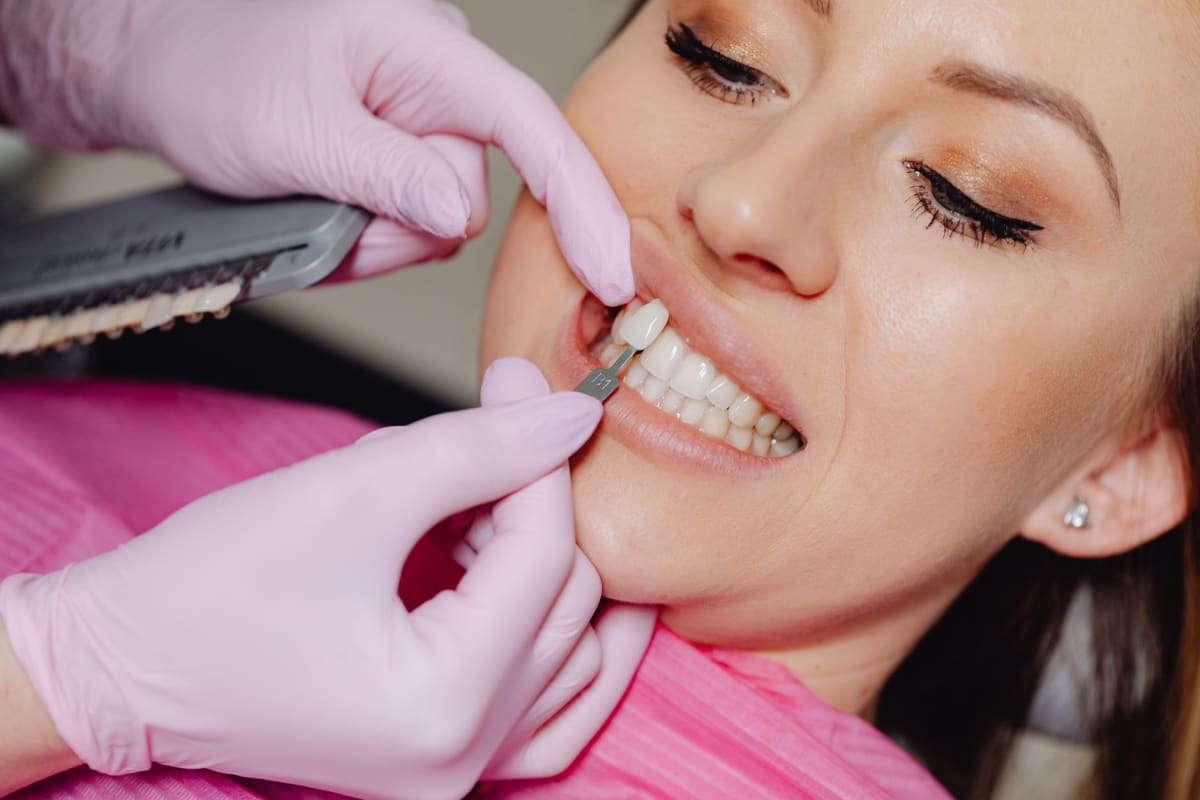
A dentist applies a peroxide gel and protects the gums with a barrier. The treatment can be completed in a single visit.
At‑home trays prescribed by a dentist
Custom trays fit the shape of your teeth and hold a milder gel. They are worn for a few hours each day, following the dentist’s instructions.
Over‑the‑counter products that are effective
- Whitening toothpaste removes surface stains while you brush. It does not change the intrinsic colour of the tooth.
- Whitening strips can lift light stains when used for the recommended period.
- Whitening pens are useful for spot‑treating minor surface stains.
For a clear overview of professional options in Solapur, see our teeth whitening page. If you have yellow or heavily stained teeth, the clinic also offers a dedicated treatment plan – learn more here.
How long do whitening results last and what affects them?
Results can last for several months, but they depend on how you care for your teeth. Several factors influence longevity:
- Diet: Frequent tea, coffee, or coloured foods can fade the shade faster.
- Oral hygiene: Brushing twice a day for two minutes with fluoride toothpaste and cleaning between teeth keeps new stains from building up.
- Smoking or tobacco use: Nicotine quickly re‑stains teeth.
- Follow‑up care: Using a whitening‑maintaining toothpaste and occasional touch‑up trays can help maintain the bright look.
Are there any risks or side effects?
Most people experience only mild, temporary tooth sensitivity after bleaching. If you notice any of the following, contact a dentist promptly:
- Sharp pain that lasts more than a day.
- Swelling of the gums that spreads toward the eye or neck.
- Difficulty swallowing or breathing – these require emergency care at a hospital.
Mild sensitivity can be reduced by using a desensitising toothpaste, limiting the contact time of the gel, or waiting a few days between sessions.
How can you avoid common mistakes at home?
- Do not over‑use products. Follow the instructions for the exact number of days.
- Do not apply whitening agents to gums. Use the barrier or tray provided by your dentist.
- Do not replace regular brushing with whitening only. Continue to brush twice a day with fluoride toothpaste.
- Do not expect a miracle cure for deep intrinsic stains. Some stains need professional treatment or may not respond fully to bleaching.
When should you see a dentist for whitening?
A dentist can evaluate the cause of your stains, check for cavities, and decide which whitening method is safest for you. They also ensure that any gum disease is treated first, because whitening on inflamed gums can cause extra sensitivity.
When should you see a dentist?
If you notice any of the red‑flag symptoms – severe pain, swelling that spreads beyond the cheek, or trouble breathing – go to a hospital emergency department right away. For routine whitening questions, regular check‑ups, or a personalized treatment plan, book an appointment at Balaji Dental Clinic on Vijapur Road, Solapur (below IDBI Bank, Kuber Chambers). You can WhatsApp or call the clinic, and the reception desk will confirm a convenient time.
For more daily oral‑care tips, visit our daily oral care guide.
Frequently asked questions
Can I whiten my teeth with lemon juice safely?
No. Lemon juice is acidic and can wear away enamel, making teeth look more stained over time.
How many times a year can I get professional whitening?
Most dentists recommend waiting at least six months between in‑office bleaching sessions to avoid sensitivity.
Will whitening remove all types of stains?
Whitening works best on surface stains and some intrinsic stains. Deep, metal‑induced stains may need other treatments.
Is it safe to use over‑the‑counter strips if I have sensitive teeth?
Use a low‑strength product and follow the instructions. If sensitivity persists, see a dentist for a gentler, custom‑made option.
What should I do if I feel sharp pain after a whitening session?
Stop using the product, switch to a desensitising toothpaste, and contact your dentist if the pain does not improve within a day.
Book an appointment
Need advice about your own teeth? Send us a WhatsApp message or call the clinic.
Written by
Balaji Dental Clinic
Clinic team, Balaji Dental Clinic, Solapur
This article is general information, not a diagnosis. For advice about your own teeth, please book a visit.